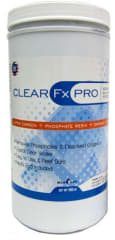
Aquarium Chemical Filtration Media: Carbon
Chemical filtration is most commonly accomplished by means of aquarium filter carbon, such as activated carbon. While most aquarium filters have some carbon, it usually is not enough. The aquarium filter carbon's micro-porous structure absorbs dissolved organics, chloramines, fish odors, toxic metals, toxic gases and growth inhibiting enzymes. Aquarium chemical filtration also includes phosphate removers and resins. You may need a
media bag for the media, or you might use it in a
chemical filtration reactor.
Useful Articles:
Why Do You Need Aquarium Chemical Filtration?Chemical filtration in an aquarium is the process of removing unwanted contaminates by using chemical compounds. Three main types of chemical filtration products exist: carbon, phosphate remover, and resin. Each has unique benefits and a different manner for use in an aquarium.
CarbonAquarium filter carbon is the most common form of chemical filtration. It is included in small amounts in most power filters, canister filters, and built-in filters. This aquarium carbon, which comes from charcoal, is typically activated carbon. This means the charcoal has been heated or otherwise treated to increase its adsorptive power. This activation makes the carbon extremely reactive to other chemicals. These chemicals attach themselves to the surface of the carbon in a process known as adsorption. Once the compounds are attached to the carbon they are removed from the water. . .
continue article